Case Studies Brand Audit AI Production Gallery About Get in touch

Performance Creative Strategist

Finding the hooks worth testing.

DTC · Meta Ads · Creative Strategy

I help DTC brands find the hooks worth testing, then build the system to test them.

View case studies Get in touch
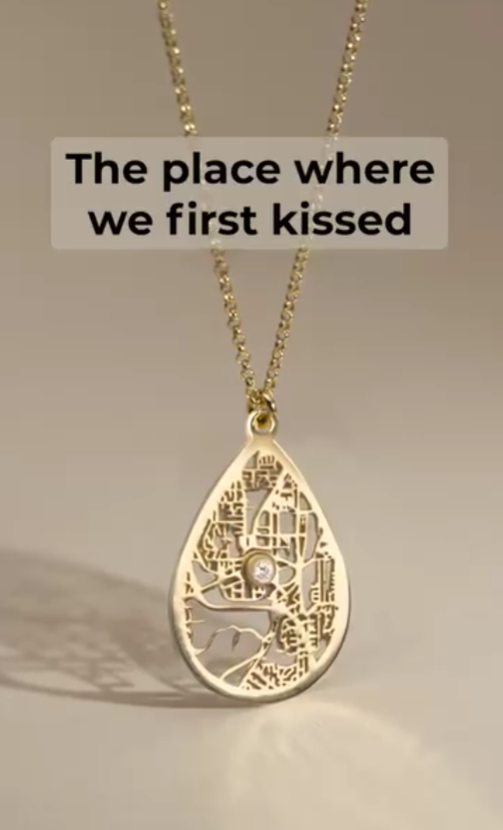
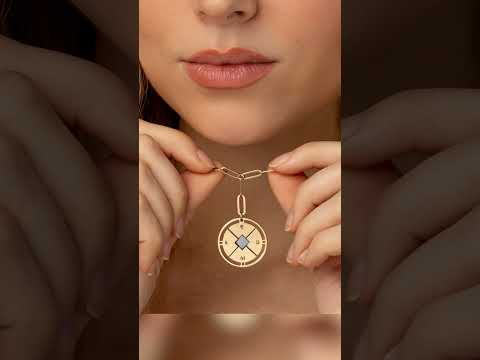
Map Necklace static ad
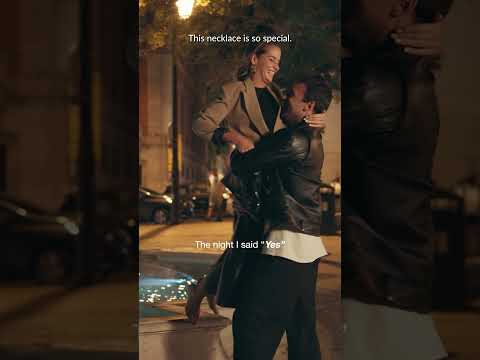
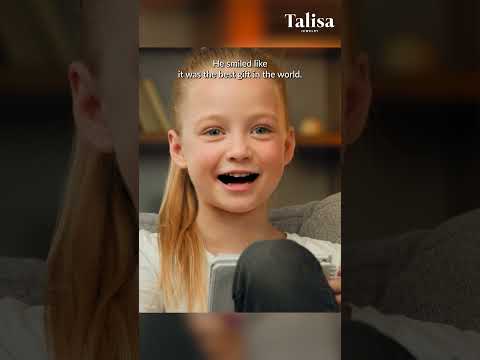
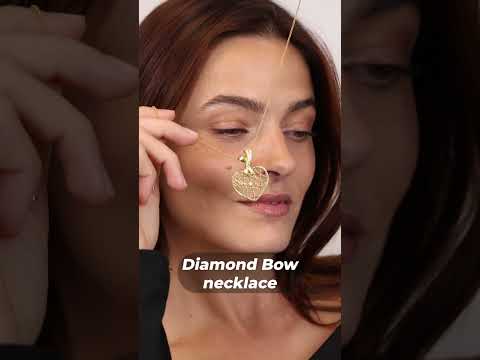
Emotional hook video
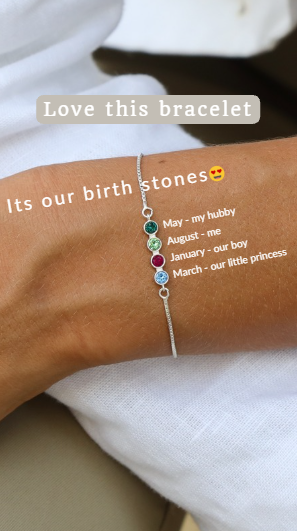
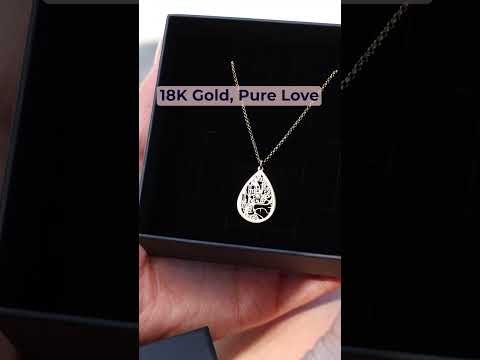
Talisa Stars Bracelet elevated version
1.9 → 2.5 ROAS lift, hero product
25 → 40% Hook rate, top ad
8 Years inside DTC
What I do
Comment-mined hooks Static & UGC creative Founder-led trust Social-proof programs Cold brand audits AI-assisted production

Case Studies

Where strategy meets results

Case Study 01 · The Unlock

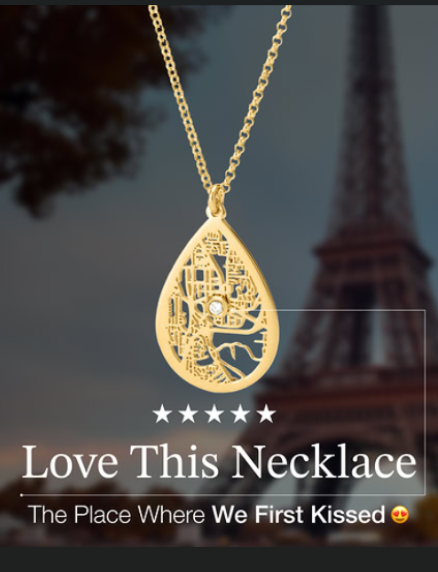
Map Necklace: From Comment to Creative

The Problem

Map Necklace had strong product-market fit but scaling was expensive. Running almost exclusively video, CPMs were high, limiting how far we could push the budget efficiently. We needed two things: a more cost-effective format, and a hook that actually connected emotionally with the buyer.

The Insight

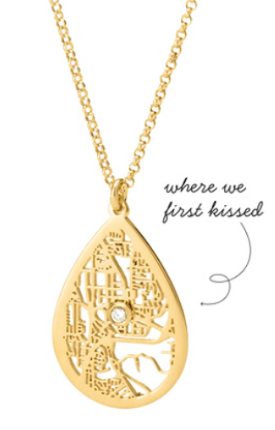
While reviewing comments on our highest-engagement video ads, I noticed a woman had tagged her husband with a simple phrase: "The place where we first kissed." She wasn't answering a question. She wasn't writing a review. She was just sharing a feeling, spontaneously, publicly, in the comments of an ad. That was the hook we were looking for. Not a description of the product. The reason someone buys it.

The Execution

We replaced the original hook, "That Special Place on Her Neck," with the customer's own words: "The Place Where We First Kissed." Then we adapted it into static formats to expand placements and reduce CPM dependency on video inventory. Tested ~10 variations. The ones that didn't work tried to explain the product. The winners made you feel something immediately.

The Learning

The best hook was already written, by a customer, in the comments. The job was to find it. Once we had the right message, moving from video-only to multi-format didn't just lower CPMs, it proved that a strong creative idea should never live in one placement.

Map Necklace static ad 1
Map Necklace static ad 2
Map Necklace static ad 3

The Result

-50% CPM vs. video
1.9 → 2.5 ROAS
25 → 40% Hook Rate
$199 CPA sustained

The Brief Behind It

The planning doc that produced the ad above
Product
Map Necklace, a personalized coordinate pendant
Objective
Cut CPM dependency on video and find an emotional hook that scales
Insight
Surfaced via a comment-scraping pass on our top ads. The highest-engagement comment was a woman tagging her partner: "The place where we first kissed." Buyers aren't buying a necklace, they're buying the memory of a moment.
Hook hypothesis
Lead the static with her exact words, not a product feature
Format
2 static directions (4:5, 1:1), ~10 variations off the one insight
Success metric
Hook rate lift, CPM vs video, ROAS, CPA held

Case Study 02 · The Unicorn

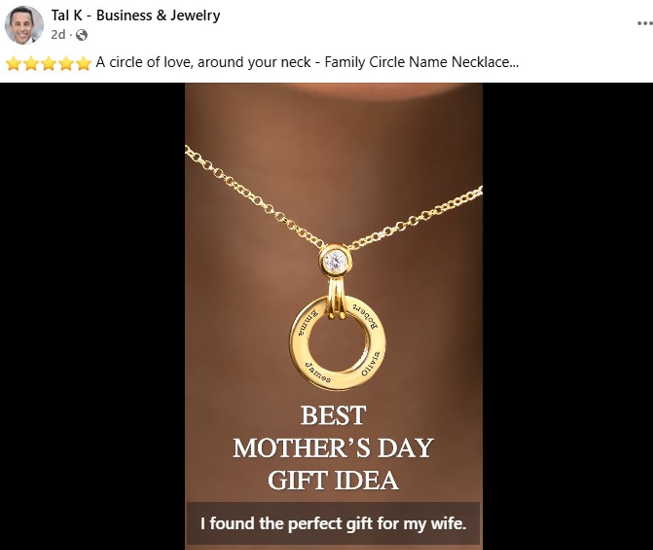
Family Circle Name Necklace: Building Trust to Unlock a Product

The Problem

Family Circle Name Necklace had potential but wasn't converting. The product existed, the audience was there, but sales were minimal. The issue wasn't the product, it was trust. A personalized family necklace is an emotional, considered purchase. People needed to believe in the brand before they'd commit.

The Approach

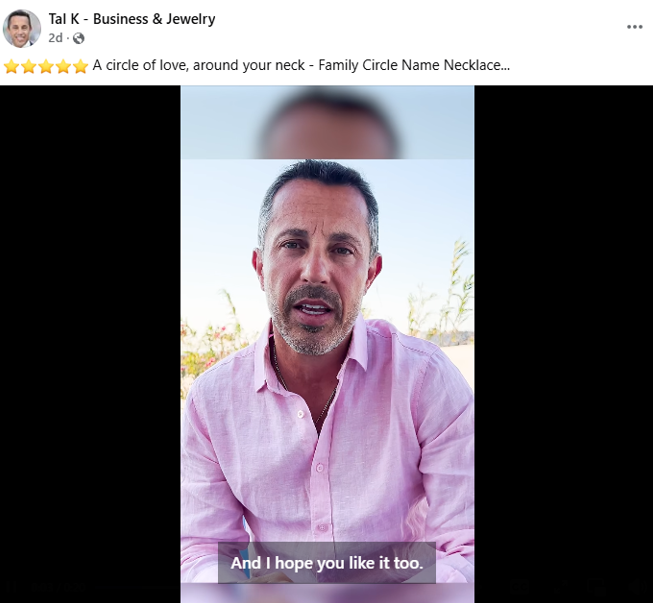
Rather than pushing harder on product-focused creatives, I built a set of videos testing different message angles: emotional, product-led, social proof. The goal was to find what actually moved the needle. The one that landed was the founder speaking directly to camera. No script feel, no hard sell, just genuine conviction.

Why It Worked

A founder on camera does something a polished ad can't: it puts a real person behind the brand. For a product people are buying as a meaningful gift, that authenticity was the missing piece. It answered the unspoken question every hesitant buyer has: "Can I trust these people?"

The Learning

Sometimes the product isn't the problem. When conversion is low on something with clear demand, the barrier is often trust, and the most direct way to build it is to put the right human voice in front of the right audience.

Family Circle Name Necklace ad 1
Family Circle Name Necklace ad 2

The Result

Unlocked A product that wasn't converting
Top Angle Beat emotional, product-led & social proof
Evergreen Became the control ad for the product line
New Playbook Founder-led creative reused across the catalog

Case Study 03 · The Program

Talisa Collaborations: A Social Proof Program, Built From Scratch

The Problem

Studio creative was convincing, but for an emotional, gift-driven jewelry buyer, nothing beats social proof: seeing other real customers wearing the product. We had no systematic way to generate it at scale, and sourcing authentic UGC one creator at a time didn't work.

The Program

Together with the customer support team, I built Talisa Collaborations: customers got free product in exchange for a photo and/or video. We recruited through support and a dedicated Facebook and email campaign, all centered on the #talisaconnect hashtag and tagging Talisa. It ran across multiple products, and turned happy customers into a steady stream of authentic content.

The Win

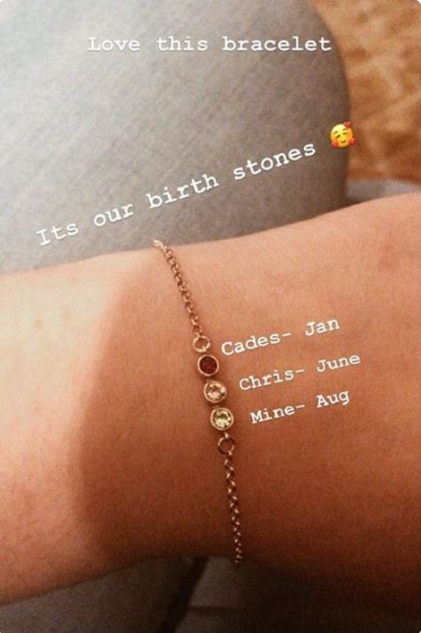
One creator the program surfaced was a real Talisa Stars Bracelet customer. Her content, no script and no staging, just her wearing the bracelet with her family's birthstones, gave us the creative direction we wouldn't have art-directed on our own. We rebuilt it as an elevated studio version: same intimate, authentic feel, but with better light, better photography, and a fuller four-birthstone family story. That version became the #1 asset in the Talisa Stars Bracelet campaigns.

The Learning

The best creative direction sometimes comes from outside the creative team. Put product in your customers' hands and they'll show you the angle.

Talisa Stars Bracelet - original customer UGC
Talisa Stars Bracelet - elevated studio version

The Result

500+ Creator posts generated
Multi-product Ran across the catalog
#1 Asset Top ad in the Talisa Stars campaigns
Customer-led Winning direction came from a real customer

Brand Audit

Auditing a brand cold, from the public Ad Library alone

I read Tropicfeel's full Meta Ad Library, 349 active ads, found where they're leaving performance on the table, and wrote the brief I'd run next.

The Diagnosis

349Active ads read, no account access
~90%Feature-led copy, describing the shoe not the problem
~1%Of ad bodies open with a customer problem
36 adsRunning one tagline, a fatigue risk

The real promise is versatility and all-day comfort across every terrain: one shoe that goes from trails to rocks to city to water, all day, without hurting your feet. Water is one terrain, not the headline. Yet about 90% of the library lists features, and only ~1% of the 349 ad bodies open with a customer problem, describing what the shoe is instead of the problem it solves. That gap is the opening.

The Other Openings

Beyond the copy itself, four more openings stand out, all standard plays for this kind of product that the account simply isn't using.

Lean into creator partnerships

By my manual estimate creator content sits near 13%, underweight for travel gear where peers run 30-40%. It's the highest-trust format for the category, and the obvious one to scale.

Run carousels: story plus features

Zero in the library. A modular backpack and a do-everything shoe are made for the one format that can tell a story and show product features in the same ad.

Put ratings and reviews to work

Customer reviews barely appear in the creative. Turning real 5-star quotes into statics is cheap, high-trust, and completely untested here.

Speak to the women they already show

Women are clearly featured and targeted in the videos, yet only 1 of 349 ad bodies uses any women-coded language. The brand is showing her without speaking to her.

The Brief I'd Run Next

Tropicfeel travel sneakers, problem-first angle
Brand context
Tropicfeel, Barcelona DTC travel sneakers. The library is ~90% feature-led ("Built for Smart Travel"; "Slip into comfort, step into adventure" repeated across 36 ads), one demo hook carries the best performance, and creator content sits at roughly 13% of the mix by my manual estimate.
Objective
Open a new top-of-funnel angle that doesn't lean on the saturated feature-stack copy, and lift hook rate on cold traffic.
Audience & tension
The one-bag, urban-outdoorsy traveler (28-45). The pain the library never names: packing 3 pairs of shoes for one trip, sore feet by day two, getting caught unready when the day changes on you. Their copy says what the shoe is, not the problem it kills.
Hook hypothesis
A problem-first hook beats the feature-stack on cold audiences. Open with the pain, reveal the shoe as the resolution, run it creator-style to also close the 13% creator gap.
Format & spec
3 UGC-style vertical videos (9:16), 12-18s. Hooks to test: (1) "Tired of packing 3 pairs of shoes for one trip?" (2) "By day two, your feet are done." (3) identity cut: "Travel like you live there, not like a tourist." First 2s = the problem on screen, then a product demo as the turn, the same pair going from trail to water to city, comfortable all day. CTA: Shop Now.
Mandatories
Problem on screen before the logo. Keep the proven demo beat. No feature-stack opening. Creator-sourced footage.
Success metric
Hook rate vs the feature-stack control, then hold rate and CPA. Win = beats control hook rate at equal-or-better CPA, then scale across placements.

AI-Assisted Production

Faster from brief to final asset

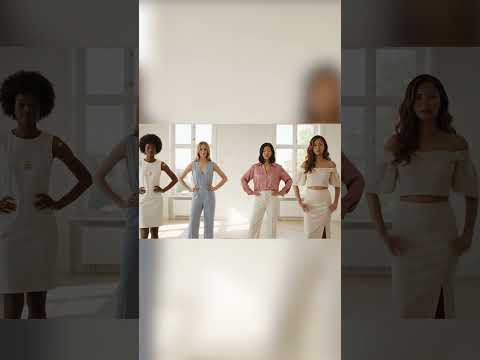
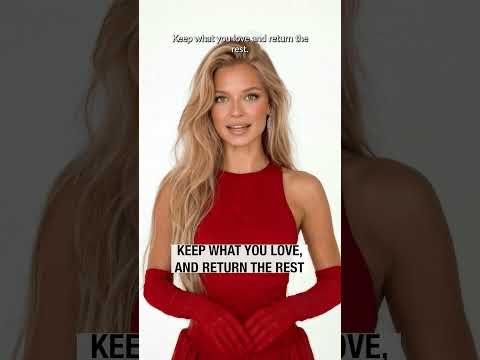
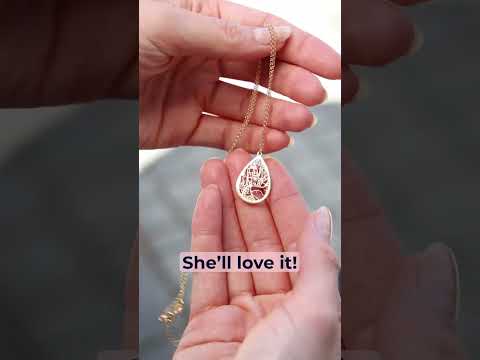
I use AI tools to move faster from brief to final asset. My current workflow combines Claude for scripting and strategy, and Fal.ai for image and video generation, running models like NanoBanano2 and Seedance 2.0. Constantly improving the workflow to increase creative output without adding production time.

AI Product Explanation

AI Product Explanation

AI Product Explanation 2

AI Product Explanation 2

AI Hook

AI Hook

AI Personal Stylist

AI Personal Stylist

About

The strategist behind the work

I'm Nico Saroka, a performance creative strategist with 8 years in DTC. I find the ideas worth testing, build the system to test them, and scale what works.